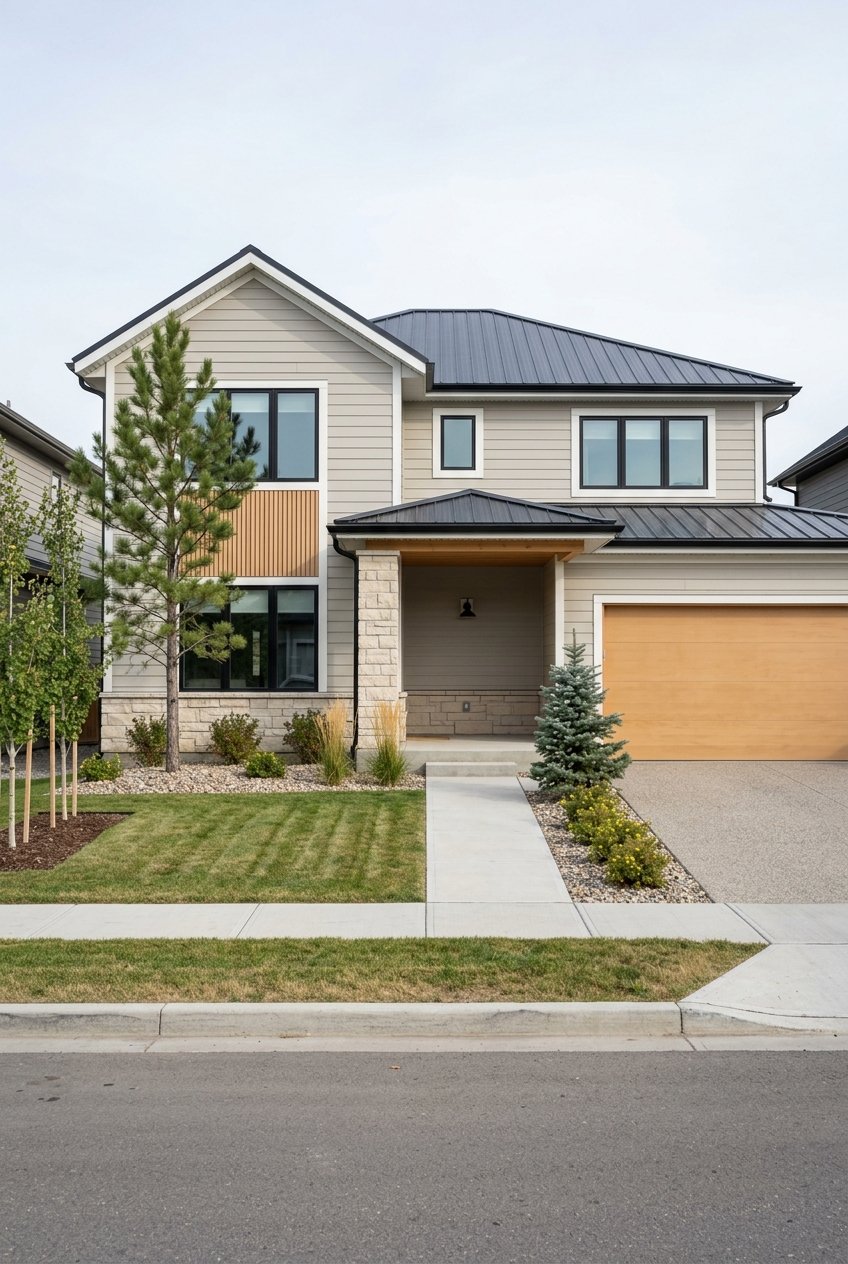
What It’s Like To Live In West Billings
June 4, 2026
June 4, 2026
Curious what daily life really feels like in West Billings? If you are thinking about moving to the west side, or simply want a better sense of how Northwest Billings fits into the bigger Billings picture, it helps to look beyond a map. This guide walks you through the area’s layout, housing patterns, parks, shopping, and everyday routines so you can decide whether West Billings matches the lifestyle you want. Let’s dive in.
West Billings is not a single small neighborhood with one fixed identity. The City of Billings describes the West End as a collection of neighborhoods generally west of 24th Street, south of the Rims, and north of I-90, with the western edge continuing to shift as development expands.
That larger area covers about 15,000 acres across city and county land. If you are specifically looking at Northwest Billings, it is also helpful to know the city lists a separate Northwest Shiloh planning area, which gives you a clue that this side of town includes several distinct growth areas rather than one uniform district.
One of the biggest things you may notice about West Billings is that it feels newer and more spread out than older parts of the city. The city’s planning work identifies West Billings as one of Billings’ fastest-growing areas, with ongoing efforts focused on guiding growth, transportation, and infrastructure.
That growth shows up in the numbers. Housing units in West Billings increased from 2,155 in 2000 to 6,644 in 2020, which reflects just how much the area has expanded over time.
For many buyers, that means you may see a mix of established subdivisions, newer neighborhoods, commercial corridors, and edge-of-town land uses all in the same broader area. Instead of having one consistent look block after block, West Billings often feels like an area that is still taking shape.
If you picture West Billings as only single-family homes, that is only part of the story. Historically, single-family housing made up most of the residential land use, but the current planning framework also includes room for rural residential and agricultural uses, county neighborhood areas, urban neighborhood development, urban residential mixed areas, urban nodes, and commercial mixed spaces.
In practical terms, you can expect a housing mix that varies by location. Some sections feel firmly suburban, while others are closer to shopping corridors or newer development zones, and some outer areas still carry a more rural edge.
The area is also more owner-occupied than renter-occupied, with 71.4% owner occupancy, 28.6% renter occupancy, and a 5.4% vacancy rate reported in the draft plan. That does not tell you everything about a specific block or subdivision, but it does give useful context if you are comparing West Billings with other parts of the city.
West Billings has lower housing density than older established Billings neighborhoods. For you, that can translate to a more open, less compact feel in many areas.
That does not mean every part of the west side feels the same. It means the overall pattern is generally more spread out, with development often organized around major roads and newer neighborhood pockets.
Daily life in West Billings is shaped by convenience, corridors, and neighborhood amenities. You are living within Billings, a city with an estimated 121,483 residents in 2024 and a mean commute time of 16.5 minutes, so even though the west side is car-oriented, typical drive times are not especially long compared with larger metro areas.
The main roadway network on the west side centers on I-90, Grand Avenue, King Avenue West, Shiloh Road, and several west side corridors such as 56th, 64th, and 72nd Street West. If you are used to older grid-style neighborhoods, this part of town may feel more oriented around arterial roads and commercial nodes.
That setup tends to create a practical everyday rhythm. Many residents are driving to errands, dining, parks, or work along familiar west side routes rather than walking from one tightly packed district to another.
If public transit matters to you, West Billings is served by MET Transit. The system operates roughly 265 route-miles citywide and includes west side routes such as Route 13 King Avenue West, Route 21 North Westend Circulator, and Route 23 South Westend Circulator.
Transit is part of the transportation picture, though the area still functions largely around major corridors. For many households, that means having a car remains important, while transit can still be a useful option on select routes.
One of the strongest lifestyle advantages of West Billings is how easy it can be to build outdoor time into your routine. Billings Parks and Recreation manages about 2,580 acres of parkland, 171 park areas, and 30 miles of paved multi-use trails across the city.
The city’s trail planning also aims to better connect the Rimrocks, Yellowstone River, downtown, parks, shopping destinations, and other community assets. For someone living on the west side, that supports a lifestyle where park visits and trail use can become part of normal weekly life.
Several west side and nearby parks help define the area’s day-to-day appeal:
There are also natural park areas along the rimrocks west of North 27th Street. If you enjoy walks, recreation, or simply having open space nearby, the west side offers strong access to those kinds of amenities.
For many buyers, convenience matters just as much as housing style. Visit Billings identifies the West End shopping district as home to Rimrock Mall, Shiloh Crossing, West Park Promenade, local specialty shops, and big-box retailers.
That mix gives the west side a practical advantage for errands and everyday needs. You can often take care of shopping, dining, and routine stops without heading across town.
The area also includes a range of west-end dining and brewery options, including Bistro Enzo, Diamond X Beer Co., and The Divide Bar & Grill. While each destination has its own vibe, the bigger takeaway is that West Billings combines established retail with newer commercial growth.
If your search is focused specifically on Northwest Billings, it helps to think in terms of subareas rather than one label. The city’s separate reference to the Northwest Shiloh plan suggests that northwest Billings has its own planning context within the broader west side.
For you as a buyer or seller, that matters because location details can change the experience. One part of Northwest Billings may feel closer to established amenities, while another may feel more tied to newer growth patterns or edge development.
This is one of the most important things to understand before you move. West Billings includes developed neighborhoods, commercial areas, natural areas, working agricultural lands, and future growth zones.
So when someone says they live in West Billings, that description can mean several different day-to-day experiences. Your routine may be shaped by parks and established subdivisions, nearby retail corridors, or a more open fringe-of-town setting depending on where you land.
West Billings can be a strong fit if you want a newer-growth part of town with access to shopping, parks, and major roads. It may also appeal to buyers who prefer a more open feel than older, denser neighborhoods typically offer.
If you are relocating to Billings, this side of town can be especially appealing because many essentials are concentrated in the West End. You may find it easier to settle in when errands, dining, recreation, and commuting routes are all part of one broader area.
For buyers looking for a highly walkable, compact, older neighborhood feel, some sections of the west side may feel less aligned with that goal. The west side’s character is shaped more by growth corridors and lower-density development than by tightly connected historic blocks.
Because West Billings is evolving, the details matter. Two homes on the west side can offer very different experiences depending on access to parks, retail corridors, traffic patterns, lot sizes, and how close they are to newer or more established development.
That is where hyperlocal insight becomes valuable. If you are buying or selling in West Billings or Northwest Billings, it helps to work with a local team that understands how these subareas differ and how growth patterns may shape your options.
Whether you are searching for your first home, a move-up property, or something with a little more elbow room on the edge of town, West Billings offers a range of possibilities. If you want help narrowing down the right fit, connect with Live. Laugh. Montana. for local guidance tailored to your goals.
Stay Up To Date on The Latest Real Estate Trends

Thrive at Home
Because summer is a great time to start

Thrive at Home
Smart prep now = more sunshine later

Sell
Tips for Buyers, Sellers, and Homeowners


Sell
3 Smart Ways to Keep Your Home Ready, So You Can Make Moves on Your Terms

Buy
3 Major Benefits of Homeownership That Go Beyond the Numbers
Buy
Approach Your 2026 Real Estate Decisions with Confidence
Live.Laugh.Empower
An intentional three-step approach to buying, selling, and thriving at home.
Live.Laugh.Montana. Real Estate Group is a “teamerage,” combining the strength of top-tier real estate agents with the independence of a brokerage. By bringing these areas together, we are elevating the client experience because we empower real estate agents to do what they do best without the traditional burdens and limitations of the real estate industry.
Join our community of enthusiastic subscribers and receive two emails per month packed with insights to help you live well, laugh often, and love Billings & Montana even more!
2725 Montana Ave Billings MT 59101