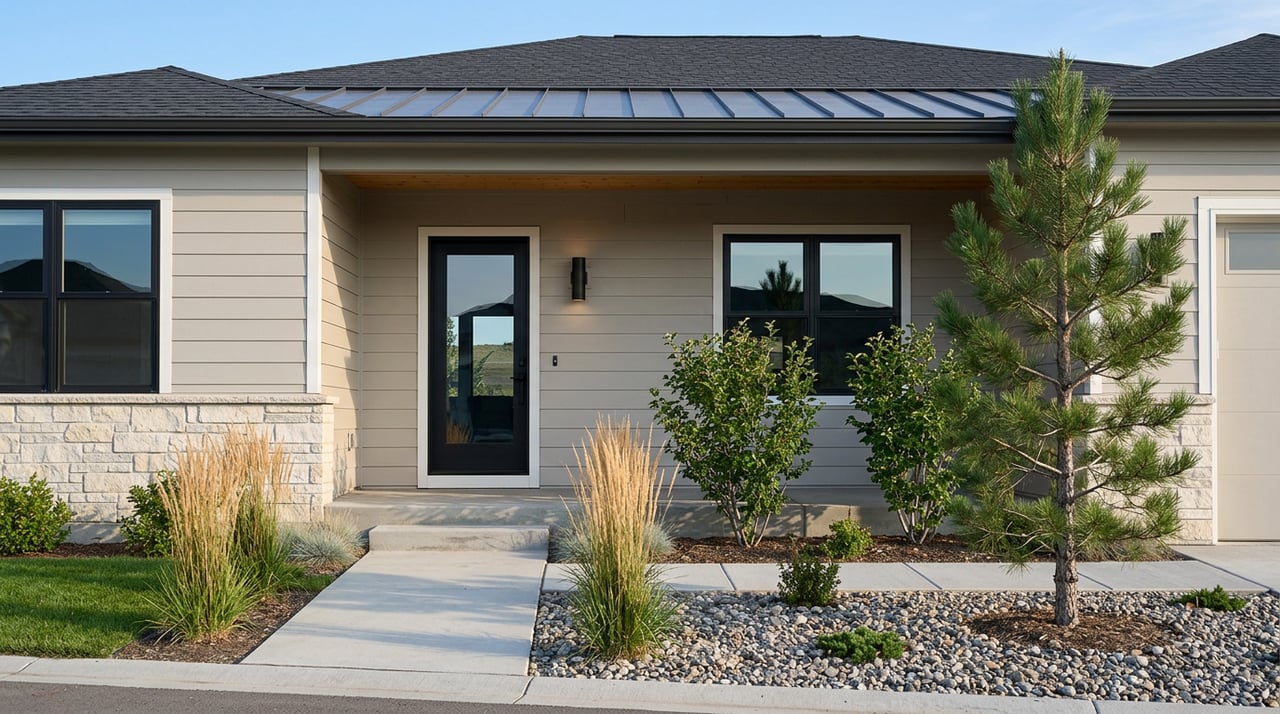
How To Buy New Construction In West Billings
March 5, 2026
March 5, 2026
You love the idea of a fresh, efficient home built around your style, but the path to a new build in West or Northwest Billings can feel complex. You might be weighing neighborhoods, trying to decode permits, or wondering how long a semi-custom build really takes in Montana weather. You’re not alone. In this guide, you’ll learn how to choose the right community, understand city versus county rules, plan your financing, and protect your investment from contract to warranty. Let’s dive in.
Northwest Billings offers a mix of established and emerging communities that attract buyers looking for modern layouts and efficient systems. You’ll often see new homes in places like Trails West, Silver Creek Estates, and Stone Creek, along with homes by local and regional builders such as Infinity Homes. Inventory and lot releases move quickly, so confirm current availability and product types with the builder or your agent.
As filings evolve, some communities offer spec homes for faster move-ins, while others focus on semi-custom plans and upper-tier custom builds. Ask about HOA documents, plat details, and the timing of nearby phases so you understand what will be built around you and when.
Understanding who regulates your property is essential in West and Northwest Billings. Rules differ inside city limits versus unincorporated Yellowstone County, and that affects utilities, inspections, and timelines.
The City of Billings Building Division handles plan review, permits, staged inspections, and Certificates of Occupancy for homes within city limits. Many submissions happen online through the city portal. Before you sign a contract, confirm who is responsible for pulling permits, coordinating utility connections, and delivering the Certificate of Occupancy at close. You can find procedures and contact information on the City of Billings Building Division page at the city’s website.
Outside city limits, you will coordinate county items like right-of-way access permits, zoning compliance, and utilities such as wells and septic systems. Yellowstone County does not issue building permits the same way the City does, so ask your builder and title company to confirm zoning, access, and septic approvals prior to construction. Start with County Public Works for right-of-way and access guidance.
If you are buying in a multi-lot development, verify that your lot sits within an approved filing and request the recorded plat and CC&Rs. Projects with multiple buildings or shared facilities often require a Master Site Plan review, and city review windows are published. Ask your builder or agent for the filing status and any conditions tied to your lot.
Even in west-side neighborhoods, specific lots can have drainage or flood considerations. Check FEMA or county floodplain maps for your address and request any engineering related to drainage and elevation certificates from your builder. If you are outside city sewer, confirm septic design and well plans as part of due diligence.
Your build path affects timing and flexibility. Here is how most buyers approach it locally.
These are already under construction or complete, which makes them the quickest route to closing. If you need to move soon or want to avoid the selection process, a spec home often closes in a few weeks once you have an accepted contract.
You choose a floor plan and personalize from an options package. In and around Northwest Billings, these projects commonly run about 6 to 12 months depending on selections and contractor scheduling. Plan for seasonal buffers and make selections on time to avoid delays.
A true custom adds design and engineering to the front of the process. Many full custom homes land in the 9 to 18 month range from design start, depending on complexity and procurement. Winter weather and subcontractor availability can shift timelines, so ask your builder how they plan for seasonal work. For a general overview of build timelines, review regional builder guidance. Builder timeline overview
You will usually choose one of two financing structures for new construction. Talk with a lender that offers construction lending before you write a contract so you understand requirements, rates, and draw schedules.
For a plain-language overview of construction mortgages and draws, start with this explainer. Construction mortgage basics
Lenders typically require a signed construction contract, plans, a detailed budget, and builder documentation like insurance. Ask early if your lender will underwrite the builder you plan to use and what inspection checkpoints they require for draws.
Standard features differ by builder, but many West Billings packages include basic cabinetry, laminate or LVP flooring in main spaces, a standard appliance set, standard HVAC, and a landscaping allowance. Higher-end cabinetry, quartz or granite countertops, tile showers, upgraded appliances, covered patios, built-ins, and mechanical upgrades are often sold as options.
Montana adopted the 2021 International Energy Conservation Code with state amendments in 2022. That adoption adds requirements such as blower-door testing and mechanical ventilation, which can influence what builders include as standard. Ask each builder for a written inclusions list and energy features so you know what is base versus optional. You can review the state energy code overview here. Montana DEQ energy code
Most semi-custom builders use allowances for finishes. Get the allowance sheet in writing, along with how overages are priced and when selections are due. Comparing builder upgrade pricing with local retail estimates helps you judge value.
On-site sales staff represent the builder. You deserve your own advocate to help you evaluate lots, negotiate terms, track milestones, and coordinate inspections. A local buyer’s agent experienced in new construction will also help you read the fine print and avoid missed deadlines that cost money.
When you review a builder contract, focus on a few key items:
Even new homes benefit from independent oversight. Many buyers schedule inspections at three points: pre-pour for foundation, pre-drywall for framing and rough-ins, and a final inspection before closing. Several local builder resources advocate stage inspections to catch issues before finishes go in. See example guidance on multi-stage inspections in community builder blogs. New construction inspection tips
Most builders provide some form of warranty. A common structure is one year for workmanship, two years for systems, and up to ten years for major structural items when the builder uses an insurance-backed program such as 2-10 HBW. Always ask for the full warranty document, what is covered and excluded, claim procedures, and whether the warranty is transferable. Review typical coverage details from a national program here. 2-10 structural warranty
Before closing, confirm that warranty enrollment is complete, all agreed upgrades are finished or documented, lien waivers are collected as appropriate, and the Certificate of Occupancy is issued if you are inside city limits.
Follow this checklist to move from idea to keys in hand.
Ready to explore lots and floor plans in West and Northwest Billings with a local expert by your side? Reach out to our team at Live. Laugh. Montana. for step-by-step guidance from lot selection to final walkthrough.
Stay Up To Date on The Latest Real Estate Trends

Sell
3 Smart Ways to Keep Your Home Ready, So You Can Make Moves on Your Terms

Buy
3 Major Benefits of Homeownership That Go Beyond the Numbers
Buy
Approach Your 2026 Real Estate Decisions with Confidence

Live.Laugh.Empower
An intentional three-step approach to buying, selling, and thriving at home.

Live.Laugh.Local.
How Choosing Local Benefits You and Your Community
Homeownership Education, Home Buyer
Live.Laugh.Real Estate | July 17, 2025
Homeownership Education
Upgrades That Pay Off (And Feel Good Too)
Homeownership Education, Thrive At Home, Buyer Strategy
It’s not about drinking the Kool-Aid. It’s about staying cool, clear, and confident in your long-term plan.
Live.Laugh.Montana. Real Estate Group is a “teamerage,” combining the strength of top-tier real estate agents with the independence of a brokerage. By bringing these areas together, we are elevating the client experience because we empower real estate agents to do what they do best without the traditional burdens and limitations of the real estate industry.
Join our community of enthusiastic subscribers and receive two emails per month packed with insights to help you live well, laugh often, and love Billings & Montana even more!
2725 Montana Ave Billings MT 59101